
For safer surgeries and surgical outcomes patient positioning plays an important role. While surgical technique and technology gets more attention, improper patient positioning can lead to physical complications such as nerve damage, tissue breakdown and pressure injuries that require extended recovery times.
Research indicates that the risk of soft tissue injury due to patient positioning increases significantly in surgical procedures. These surgeries can be cystectomy, liver surgery, transplant, tumors and total knee replacement, that lasts more than four hours. Studies have reported measurable rates of positioning injuries, some persisting for months after surgery.
Patient Positioning Risks in Steep Tilt
Pelvic, laparoscopic and robotic procedures often require Trendelenburg positioning. In this type of positioning the surgeons gain improved visualization and access to anatomical structures. However, by tilting the patient head down, there are various safety concerns that need to be addressed,
In steep trendelenburg positioning:
- Gravity causes patients to slide downward.
- Shear forces may damage skin and underlying tissues.
- In steep positioning the breathing system is significantly compromised and reduce pulmonary compliance due to chest compression.
- This position increases the risk of cerebral edema, facial edema.
- Increases the intraocular pressure.
Shoulder bolsters were primarily used to prevent sliding, but they are not an ideal solution as they create concentrated pressure on delicate nerves in the neck and shoulder region, resulting in brachial plexus stretch injuries or long term neuropathy.
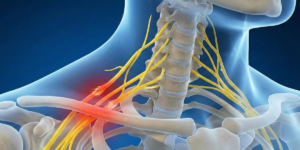
Injuries in shoulder region, if arms extended more than 90 degree
Patient Positioning Devices Designed for Safer Patient Positioning
Advanced patient positioning devices are designed to address the multifactorial risks associated with modern surgical procedures. Standard flat pads and improvised support are no longer sufficient for long duration operations.
Key risks that modern patient positioning devices must address include:
- Nerve compression injuries
- Pressure ulcers on bony prominences
- Shear injuries from patient movement
- Moisture related skin infection
- Arm displacement in supine and lithotomy positions
For example, arms resting against metal table rails can result in ulnar neuropathy. Accidental arm abduction may stretch the brachial plexus. Extended immobility can lead to increased pressure over the sacrum and scapula region, leading to painful and difficult to treat ulcers and injuries like wrist drop and brachial plexus injuries.
Comprehensive patient positioning requires devices that integrate stabilization, pressure redistribution, and moisture control into a single system.
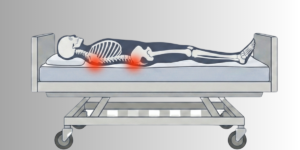
Surgypad and Patient Positioning Innovation
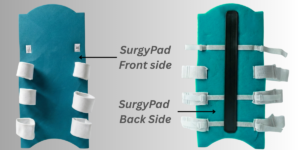
Surgypad represents a modern evolution in patient positioning safety. Instead of relying on fragmented solutions, lift sheets, separate foam blocks, shoulder bolsters, surgypad offers an integrated approach.
Designed with high density polyurethane foam, surgypad provides:
- Anti slip stability without adhesives
- Even weight distribution to reduce pressure points
- Built in arm protection
- Fluid wicking properties to maintain skin integrity
This system provides patient safety during complex and extended procedures. This patient positioning system is an ideal solution even in robotic surgeries where steep tilt and long operating times are common.
Trendelenburg Positioning Pad Solutions for Secure Patient Positioning
A specialized trendelenburg positioning pad eliminates the need for shoulder bolsters while maintaining patient stability in steep trendelenburg positioning.
Unlike older methods, a high-quality trendelenburg positioning pad uses anti-skid foam technology that grips both the patient and the operating table. This prevents sliding without applying concentrated pressure to the shoulders or neck.
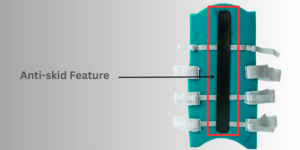
This feature helps to protect against nerve injury, shear damage, and pressure ulcers, all while keeping the patient securely positioned throughout the procedure.
Surgypad: A Patient Positioning Device supporting Long-Duration Procedures
Surgypad supports long procedures that require sustained stability and consistent pressure management, particularly in robotic surgeries.
Advanced patient positioning devices like surgypad support:
- Reduced brachial plexus compression
- Built-in arm security
- Prevention of ulnar nerve injuries
- Faster, standardized setup
By integrating arm protectors, surgypad enhances both safety and efficiency.
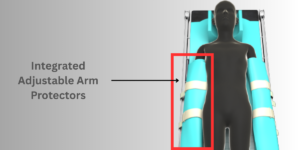
Benefits of Surgypad for Complex Patient Positioning
In complex cases requiring steep trendelenburg positioning, a purpose built trendelenburg positioning pad provides superior protection compared to traditional methods, Surgypad reduces:
- Sliding caused by gravity
- Concentrated nerve compression
- Skin maceration from pooled fluids
- Moisture control for skin protection
- High-pressure contact points
The result is more secure and reliable patient positioning.
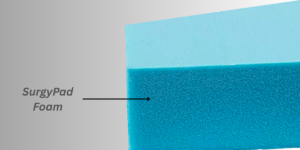
Surgypad: A New Standard of Surgical Safety
Surgypad is an innovative solution in patient positioning devices that brings stability and enhance surgical outcomes. When healthcare units prioritize safe patient positioning, they elevate the overall standard of care in the operating room.
Get More information about Patient Transport: A leading cause of musculoskeletal disorders (MSDs) in healthcare workers during Patient Transfer
Post a comment
Related Posts
The Lifesaving Impact of Single-Use Surgical Instruments in Remote and High-Risk Environment
The development of modern surgical specialties and in particular laparoscopic surgery and urology have greatly enhanced patient outcomes with shorter recovery times and…

The Hidden Financial and Clinical Costs of Reusable Instruments: Why Single-Use is the Future
The healthcare environment is ever changing and the debate that is most important today in…
How Single-Use Instruments Combat Surgical Site Infections (SSIs)
The skill of the surgeon in laparoscopic surgery is often determined by the time a…
Laparoscopic Surgical Scissors: Clinical Precision and the Superiority of Disposable Instruments
Magnified view in Laparoscopic surgeries require a high level of accuracy, where even a fraction…